
The Art of Regulated Stillness.
Managing daily pressures requires a practical toolkit. We focus on non-medical, physiological shifts that recalibrate your state through breath, posture, and environmental awareness. No complex equipment, just intentional movement and an active lifestyle approach.
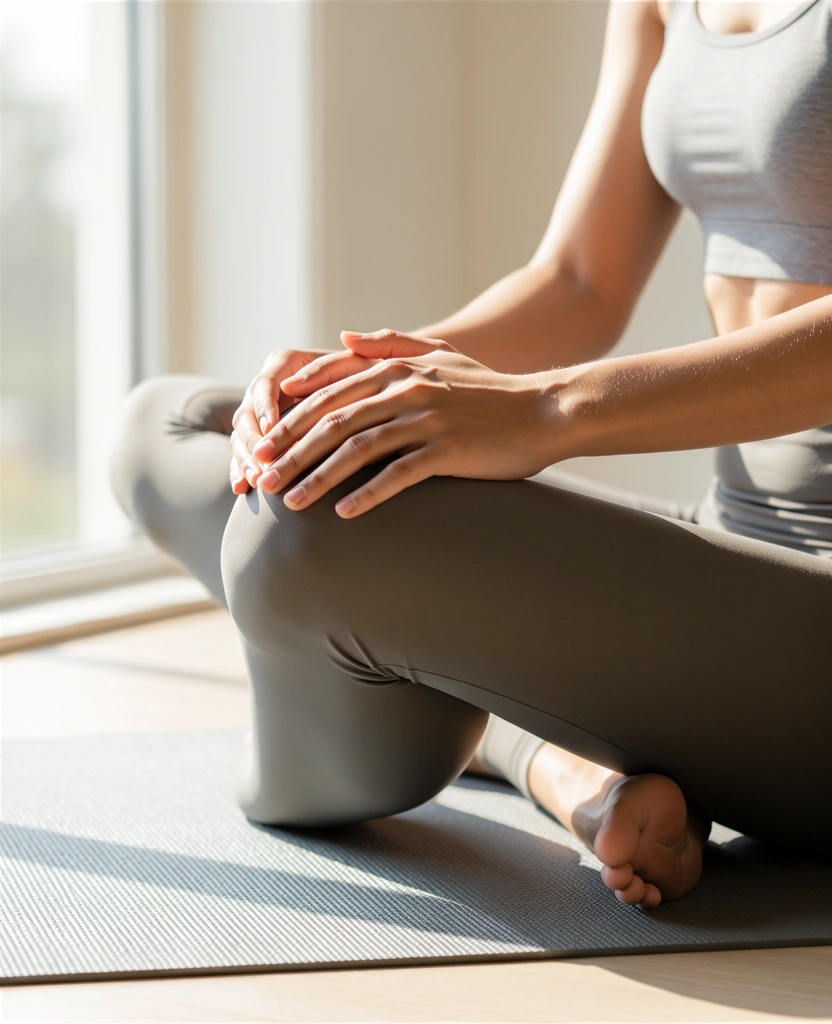
The Physical Connection
Stress often manifests as physical tension before we even notice the mental weight. By integrating **sports** and targeted movement into your routine, you create a natural outlet for nervous energy. It isn't just about heavy exertion; it’s about the rhythm of an **active lifestyle** that tells your nervous system it is safe to downregulate.
When combined with proper **nutrition**, your body gains the biochemical stability to handle spikes in cortisol. Consuming fresh **vegetables** and **fruits** provides the essential micronutrients that support a steady mood. Think of **food** as your internal infrastructure—the more robust it is, the more effective these relaxation techniques become.
Box Breathing (4-4-4-4)
Inhale for four seconds, hold for four, exhale for four, and hold empty for four. This rhythmic cycle signals the parasympathetic nervous system to take over, slowing the heart rate almost instantly.
Progressive Muscle Release
Starting from the toes and moving to the jaw, tighten each muscle group for five seconds and release suddenly. It teaches the brain to recognize the specific sensation of letting go.
Environment & Movement
True relaxation isn't just found in a dark room. Sometimes, the quickest way to reduce stress is an outdoor walk or light **sports** activity. Physical engagement forces the mind to focus on the present moment, acting as a dynamic form of meditation.

Trieste Coastal Paths: Ideal for a 15-minute reset.

Nutritional Foundations: Leafy greens and vitamin C.
The Daily Stress Inventory
A self-guided assessment for immediate application.
Check Your Jaw and Shoulders
Are you clenching? Unconsciously tensing these areas is the most common precursor to mental fatigue. Soften the tongue away from the roof of the mouth and allow the shoulders to drop away from your ears.
Sensory Grounding (5-4-3-2-1)
Acknowledge five things you see, four you can touch, three you hear, two you smell, and one you can taste. This method pulls the mind back into the physical world, disrupting cyclical thought patterns.
The Nutritional Anchor
Sips of cold water or a small portion of crunchy **vegetables** like carrots or celery can stimulate different sensory pathways and provide a brief cognitive diversion from the stressor.
Further Reading
Complement your relaxation practice with our guides on mindful consumption and daily movement habits.
Gestione Stress Headquarters
Lungomare Trieste 18, 34121 Trieste, Italia
Email Us
[email protected]